
MostBet Bangladesh — Official site Login App Bonus
March 16, 2025Evaluating Slot Machine Payouts: Criteria for Choosing High-Return Machines
March 18, 2025Whoa, seriously, this surprised me. I walked into a coffee shop, dropped my phone on the table, and for a moment I felt oddly calm. My instinct said “you got this” because the private keys were not on that phone, and that feeling stuck with me. Initially I thought hardware wallets had to be clunky gadgets with screens and cables, but then I tried a card that fit right into my wallet and my view shifted. Actually, wait—let me rephrase that: the convenience changed the equation for how often I use cold storage.
Here’s the thing. Card-based wallets are clever in their simplicity. They use NFC to talk to your phone without exposing keys, and they feel less like a device and more like a tool. On one hand you want ironclad security; on the other hand you want something you will actually use every day. That tension matters, because the best security is the security you use regularly.
Okay, so check this out—my first week with the card was weirdly reassuring. I fumbled a bit setting it up, which bugged me (I hate fiddly steps), but once initialized it worked reliably. I like that the card is passive until tapped, so there’s no battery to die or firmware update that suddenly bricks it. My friend laughed when I pulled a credit-card-sized wallet device out; she said, “Is that your crypto?” and I said, “Yep—my offline bank.”
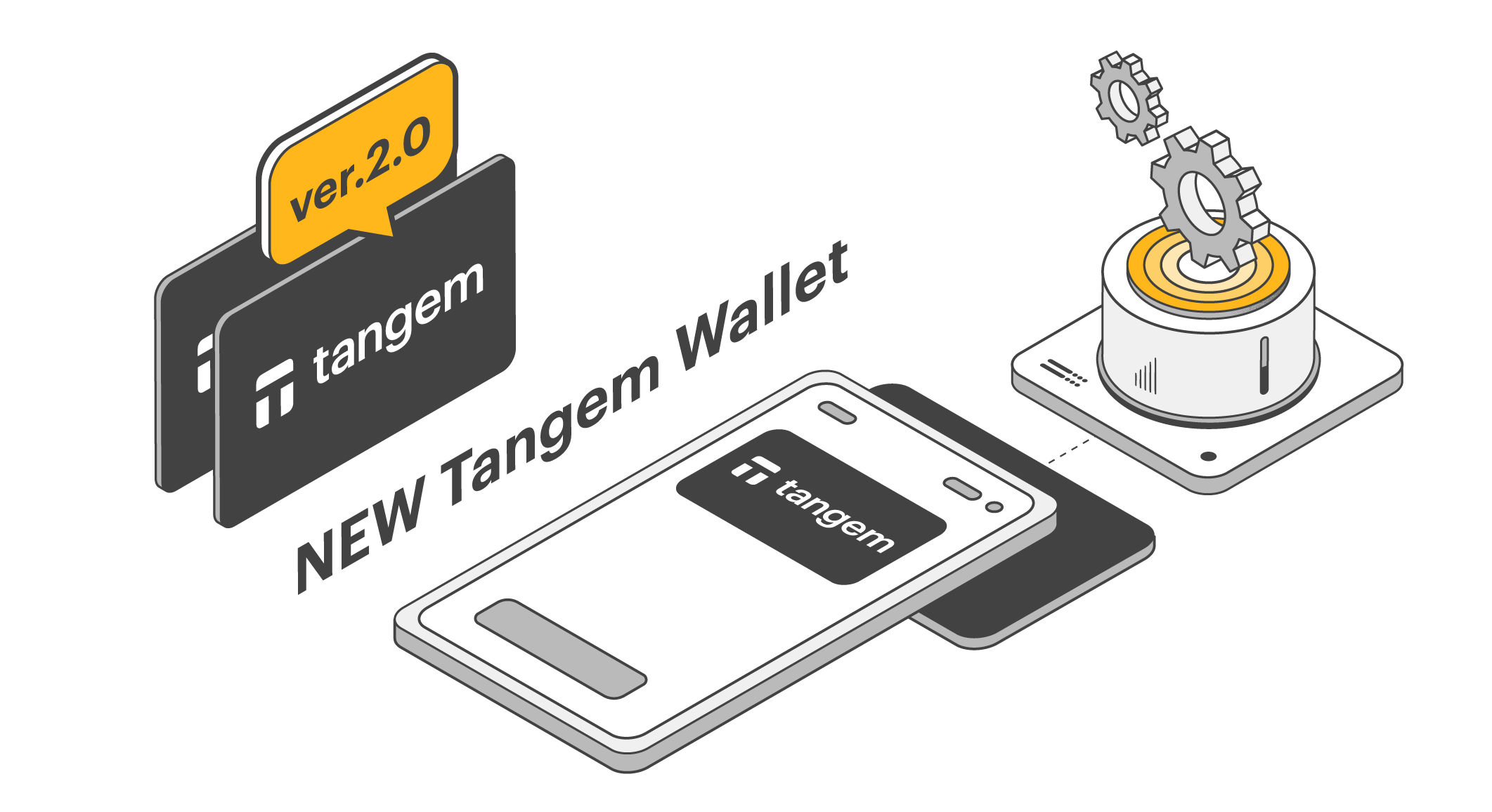
What the tangem card actually does (and what it doesn’t)
The tangem card stores private keys in a secure chip and uses near-field communication to sign transactions without ever revealing them. Seriously, the chip is tamper-resistant which matters when you think about physical attacks. On the flip side it won’t replace multi-sig setups for high-value institutional custody, though for most users it’s a very strong option. I like that it removes passwords from the equation—no seed phrase to write down and misplace—yet that trade-off introduces different risks you need to accept.
Something felt off about the “no seed phrase” claim at first. I was suspicious and asked a lot of questions. Initially I thought, “That’s risky—how do I recover funds?” but then realized recovery is possible via backup cards or paired devices, and the design intentionally forces you to plan for physical loss. On one hand that reduces human error in seed storage, though actually you must be disciplined about keeping a backup card somewhere safe or using a ledgered recovery procedure.
Why people like this approach is obvious. The form factor is familiar. It slides into a wallet with your bank cards and doesn’t scream “crypto nerd.” For travel this is huge—less extra gear, less attention. I’m biased, I admit it; I hate carrying extra bulky devices. Yet there are trade-offs: if someone steals the card and also steals your phone with an unlocked app, you could be exposed, so layering PIN or biometric locks is very very important.
Practical tip: always use the app’s PIN and enable timeout lock. Seriously, don’t skip that step. Also, keep a geographically separated backup. I store mine in a small fireproof pouch at a different location, not because I’m paranoid, but because small things add up and you don’t want to learn this the hard way.
How I actually use it day-to-day
I’ll be honest—before this I moved coins less frequently because I didn’t want to connect my cold storage. With the card, I make small transfers and sign NFTs or swap on a DEX without sweating the key exposure. My workflow is: tap card, confirm transaction on phone, enter PIN, done. The physicality helps with focus; I feel deliberate. There’s an almost tactile reassurance when the card confirms a signature.
On one occasion I needed to send funds in a hurry while traveling, and the card saved me. Hmm… travel used to mean a backpack full of chargers and devices. Now it’s a slim wallet setup with a bit less friction. That said, I avoid using public Wi‑Fi to sign high-value transactions, and I usually pair with my personal phone rather than borrow devices.
Also, keep in mind that firmware trust matters. You want a provider with transparent security audits and a clear update path. The ecosystem is evolving fast, which is exciting, but that means you should read release notes and avoid sketchy apps that claim tangem compatibility; somethin’ fishy there is often a red flag.
Security model — simple but rigorous
The core idea is simple: private keys never leave the secure element. That makes remote extraction very difficult. Complex attacks become physical attacks, social engineering, or supply-chain compromises, and you can mitigate many of those by buying from trusted channels and verifying card provenance. On the other hand, you trade the universal recoverability of seed phrases for physical backup strategies, which are different but workable.
I’m not 100% sure about long-term archival of these cards; hardware ages, chips get older, and standards move. So my plan includes rotating backups every few years, which is a small ongoing maintenance cost but worth it for peace of mind. Also, remember that if you’re running a large crypto portfolio, consider multi-sig across multiple devices or custodial services for part of the holdings—diversify your risk the same way you diversify assets.
FAQ
Can I recover funds if my card is lost?
Yes—depending on your setup. Some workflows use a backup card or a recovery card stored separately, while others use a safeguard like a recovery kit that can restore access. Plan your recovery before you need it, because once a card is gone, recovery without pre-established backups is very hard.
Is the tangem card easy for beginners?
It has a gentle learning curve. The app interfaces have gotten better, but expect to read setup prompts and follow security recommendations closely. If you like simple physical tools and hate long seed lists, this might suit you well.
Okay, so here’s my bottom line—I’m in favor of card-based wallets for everyday cold storage where portability matters. They are not a magic fix, and they are not for every use-case, but for a lot of people they hit the sweet spot between security and convenience. I’m biased toward practical solutions that people will actually use, and the tangem card fit that need for me because it minimized friction while keeping keys offline. Seriously, give it a try if you want a minimal, physical approach to keeping crypto safe.
Check this out if you want details and vendor info: tangem card. I still tinker and test new workflows, and I expect improvements over time, but for now this is my go-to for daily cold security… and yeah, it makes carrying crypto feel a little more normal.
